
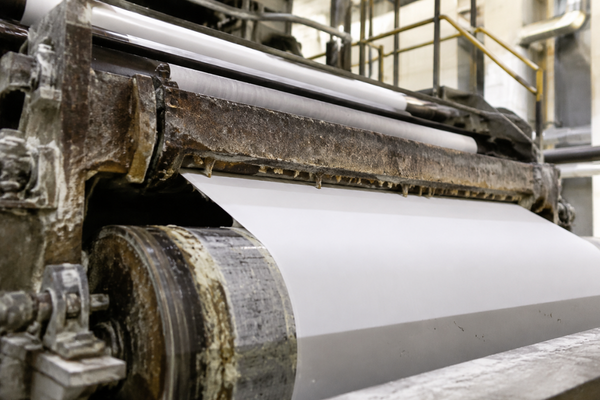
Paper machines operate under highly controlled conditions where even small amounts of unwanted substances can create major production challenges. Contamination in paper manufacturing can affect pulp quality, machine performance, paper appearance, production speed, and overall operating costs.
From stickies and pitch deposits to microbial growth and chemical imbalance, contamination risks are common concerns for modern paper mills. Identifying the source of contamination and applying the right preventive solutions helps manufacturers maintain stable production and improve paper quality.
Working with an experienced Paper Chemical Supplier and Paper Chemical Manufacturer can help mills select suitable chemical solutions designed for their specific production requirements.
Understanding Contamination in Paper Machines
A paper machine processes large volumes of water, fibres, fillers, additives, and chemicals continuously. During this process, different unwanted materials can enter the system and accumulate on machine components.
Contamination may come from:
- Recycled paper materials
- Raw water quality
- Pulp fibres
- Coatings and additives
- Microorganisms
- Improper chemical balance
- External environmental sources
Even a small contamination issue can spread throughout the system because paper production involves continuous circulation of process water.
Common Contamination Sources in Paper Manufacturing
| Contamination Source | Examples | Main Impact |
|---|---|---|
| Recycled fibres | Adhesives, plastics, inks, coatings | Deposits and paper defects |
| Wood components | Pitch, resin, organic materials | Machine fouling |
| Water systems | Minerals, bacteria, dissolved solids | Slime formation and corrosion |
| Chemical imbalance | Excess additives or poor dosage control | Reduced paper quality |
| Environment | Dust and foreign particles | Surface defects |
Major Types of Contamination Affecting Paper Machines
1. Stickies Contamination
Stickies are one of the most common problems in recycled paper production. They mainly come from adhesive materials present in waste paper, including:
- Pressure-sensitive adhesives
- Hot melts
- Tapes
- Labels
- Packaging residues
During recycling, these materials break down into small particles that can attach to machine surfaces.
Effects of Stickies on Paper Machines
Stickies can cause:
- Dryer section contamination
- Wire and felt blocking
- Paper holes and surface defects
- Increased machine downtime
- Higher cleaning costs
Large stickies may be removed through screening and cleaning systems, but smaller particles often require chemical treatment.
A suitable chemical approach helps control stickies by preventing particle deposition and improving system cleanliness.
2. Pitch and Resin Deposits
Pitch is a natural organic substance released from wood fibres during pulping. It contains fatty acids, resin acids, and other organic compounds.
Although pitch is a natural part of wood, uncontrolled levels can create operational problems.
Common Causes of Pitch Problems
- High resin content in raw materials
- Changes in pulp quality
- Incorrect process conditions
- Poor dispersion of organic materials
Effects on Paper Production
Pitch deposits may lead to:
- Machine roll contamination
- Reduced paper smoothness
- Fibre loss
- Production interruptions
Chemical control programs help disperse pitch particles and prevent them from attaching to machine surfaces.
3. Microbial Contamination and Slime Formation
Paper mills provide ideal conditions for microbial growth because they contain:
- Warm temperatures
- Moist environments
- Organic nutrients
- Recycled fibre materials
Bacteria and fungi can multiply rapidly in white water systems, storage tanks, and pipelines.
Problems Caused by Microbial Growth
| Problem | Result |
|---|---|
| Slime deposits | Machine blockage |
| Bad odour | Poor workplace conditions |
| Biofilm formation | Reduced equipment efficiency |
| Paper defects | Quality complaints |
Proper microbial management requires regular monitoring and carefully selected treatment chemicals.
4. Filler and Mineral Contamination
Modern paper production often uses fillers such as calcium carbonate and clay to improve paper properties.
However, improper control of fillers can create:
- Deposit formation
- Retention and Drainage problems
- Increased wear on equipment
- Poor retention efficiency
Maintaining the right chemical balance ensures fillers remain properly distributed throughout the paper sheet.
5. Contamination from Process Water
Water plays a critical role in paper manufacturing. Many mills reuse process water to reduce consumption, but recycled water can concentrate unwanted materials.
Common water-related contaminants include:
- Dissolved solids
- Metal ions
- Organic matter
- Microorganisms
Poor water quality can affect:
- Chemical performance
- Fibre retention
- Paper strength
- Machine cleanliness
Effective water management combined with proper chemical treatment helps maintain stable production.
How Contamination Affects Paper Quality and Production Efficiency
Contamination does not only affect machines; it directly impacts the final paper product.
The impact of contamination usually appears in different stages of production:
Contaminants can attach to wires, felts, rolls, and other machine parts, reducing efficiency and increasing the need for cleaning and maintenance.
Accumulated deposits can affect drainage, fibre retention, sheet formation, and chemical performance, leading to unstable production conditions.
Contamination may cause defects such as spots, holes, uneven surfaces, poor appearance, and inconsistent paper properties.
Frequent cleaning, production stoppages, additional chemical usage, and maintenance requirements can significantly increase manufacturing expenses.
Major consequences of poor contamination control include:
- Increased machine downtime
- Higher maintenance requirements
- Reduced production speed
- More rejected paper rolls
- Increased chemical consumption
- Customer complaints due to inconsistent paper quality
For paper manufacturers, controlling contamination is essential for maintaining profitability and consistent output.
Effective Solutions for Paper Machine Contamination Control
1. Proper Chemical Treatment Programs
The right chemical program depends on:
- Paper grade
- Fibre source
- Recycling percentage
- Water system design
- Machine operating conditions
A professional Paper Chemical Supplier can evaluate these factors and recommend suitable solutions.
Chemical treatments may include:
- Deposit control agents
- Biocides
- Dispersants
- Retention chemicals
- Drainage aids
- Pitch control chemicals
2. Regular Monitoring and Process Control
Prevention is more effective than reactive cleaning.
Paper mills should regularly monitor:
- Microbial activity
- Water chemistry
- Deposit formation
- Chemical dosage
- Fibre quality
Early detection helps prevent major contamination problems.
3. Improved Raw Material Management
Using better-quality recycled paper and controlling incoming materials can significantly reduce contamination risks.
Important practices include:
- Effective screening
- Proper fibre preparation
- Removing unwanted materials before processing
- Maintaining consistent raw material quality
4. Working With an Experienced Chemical Partner
Every paper mill has different operating conditions. A chemical solution that works for one machine may not provide the same results elsewhere.
A reliable Paper Chemical Manufacturer provides:
- Industry-specific chemical formulations
- Technical support
- Application guidance
- Performance monitoring
- Customized solutions
This approach helps paper manufacturers achieve better machine cleanliness and consistent production.
The Role of Advanced Paper Chemicals in Modern Mills
Modern paper production requires advanced chemical solutions that support efficiency while maintaining product quality.
High-performance paper chemicals help manufacturers:
- Control unwanted deposits
- Improve machine runnability
- Reduce downtime
- Maintain consistent paper properties
- Optimize chemical consumption
As paper mills increasingly use recycled fibres and closed-loop water systems, effective water and wastewater contamination management has become more important than ever.
Choosing the Right Paper Chemical Partner
Selecting the right chemical supplier involves evaluating:
- Product quality
- Technical expertise
- Industry experience
- Application support
- Ability to provide customized solutions
A trusted chemical partner does not simply provide products; they help solve production challenges through proper analysis and optimized treatment programs.
Conclusion
Contamination risks in paper machines can significantly affect production efficiency, equipment performance, and paper quality. Problems such as stickies, pitch deposits, microbial growth, mineral buildup, and water-related impurities require a planned approach for effective control.
Choosing the right chemicals and maintaining proper process management can help paper manufacturers reduce downtime, improve machine performance, and produce consistent-quality paper.
Balaji Chem Solutions provides specialized chemical solutions designed for the needs of modern paper industries. As an experienced Paper Chemical Supplier and Paper Chemical Manufacturer, Balaji Chem Solutions focuses on delivering effective products and technical support to help paper mills overcome contamination challenges and improve manufacturing efficiency. Contact Balaji Chem Solutions to discuss your paper manufacturing requirements and find the right chemical solution for your process.
Frequently Asked Questions
Contamination occurs due to stickies, pitch, microbes, minerals, recycled fibre impurities, poor water quality, and improper chemical balance during paper production.
Pitch deposits form when natural wood resins and organic materials separate from fibres and attach to machine surfaces during processing.
Contamination causes paper defects, uneven surfaces, reduced strength, poor appearance, production delays, and increased rejection rates due to inconsistent product quality.
Poor water quality increases deposits, microbial growth, chemical imbalance, and processing issues, affecting machine efficiency, paper consistency, and overall production performance.
You can find a trusted Paper Chemical Manufacturer by choosing experienced suppliers offering quality products, technical support, and customized solutions for paper mills.