
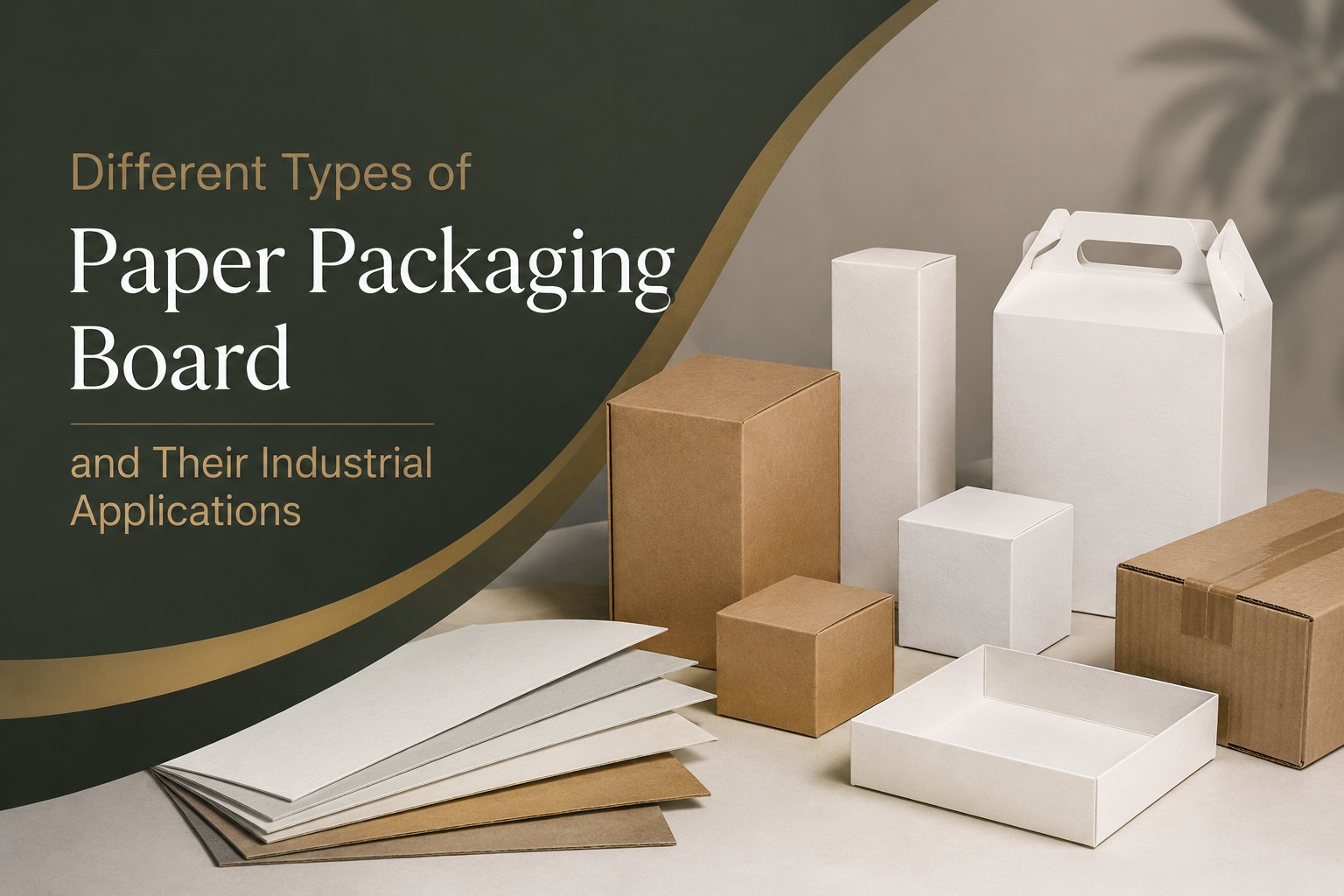
Choosing the wrong packaging board can create bigger problems than many businesses expect. A box may look fine during sampling, but fail during storage, printing, filling, stacking, shipping, or customer handling. Some boards are made for premium display. Some are made for strength. Some are better for food. Some are better for dry products. Some work well for transport, while others are designed mainly for folding cartons.
That is why selecting the right paper packaging board is not only a packaging decision. It is a product safety, branding, cost, and supply-chain decision.
Different industries need different board properties. A cosmetics brand may need a smooth white board that prints beautifully. A food company may need a safe, clean, foldable board. An e-commerce business may need a board that protects the product during transit. A pharmaceutical company may need reliable folding, sharp printing, and consistent structure. The right paperboard packaging solutions help solve these problems before they reach the customer.
1. Solid Bleached Sulfate Board for Premium and Clean Packaging
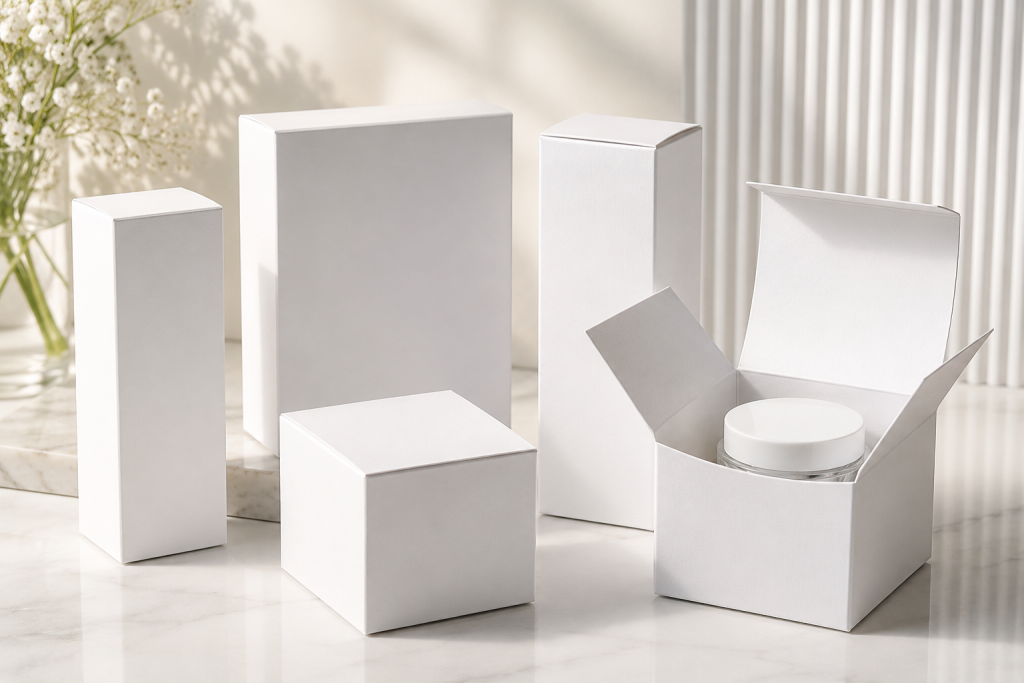
Solid Bleached Sulfate board, commonly known as SBS, is one of the most preferred choices for premium printed packaging. It is known for its clean white appearance, smooth surface, and excellent print quality. When a brand wants the packaging to look polished, sharp, and high-value, SBS is often a strong option.
This type of board is widely used in cosmetics, personal care, medicines, confectionery, frozen food cartons, luxury retail packaging, and high-end product boxes. It works well when the design includes fine text, bright colors, foil stamping, embossing, or detailed branding.
For example, a skincare brand launching a premium face cream may choose SBS because the carton needs to look clean, elegant, and trustworthy. A chocolate brand may also prefer SBS because the box must look attractive on the shelf and protect the product’s premium image.
SBS is best suited for industries where appearance, hygiene, and print quality matter more than heavy-duty strength.
2. Folding Box Board for Lightweight Retail Cartons
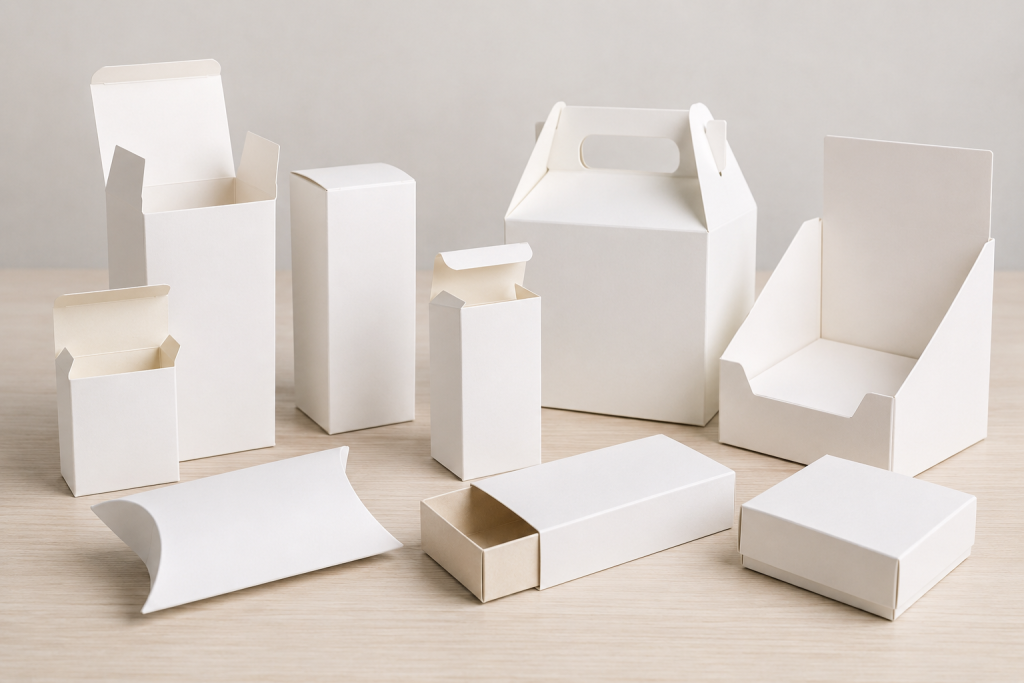
Folding Box Board, or FBB, is a practical choice for brands that need good stiffness without making the carton too heavy. It is commonly used for everyday retail packaging because it gives a good balance of strength, printability, and cost.
FBB is widely used in food cartons, tea boxes, cereal packs, healthcare boxes, beauty products, bakery packaging, dry snacks, and small consumer goods. It is a common choice where the box needs to stand well on shelves, fold neatly, and carry printed branding clearly.
For example, a tea company may choose FBB for its retail cartons because the packaging must be light, easy to print, and strong enough for shelf display. A bakery brand may use it for cake mix, biscuit, or dry dessert packaging where the product is not too heavy but still needs an attractive box.
FBB is a smart option when businesses need good-looking cartons at a practical cost.
3. Coated Unbleached Kraft Board for Stronger Packaging Needs
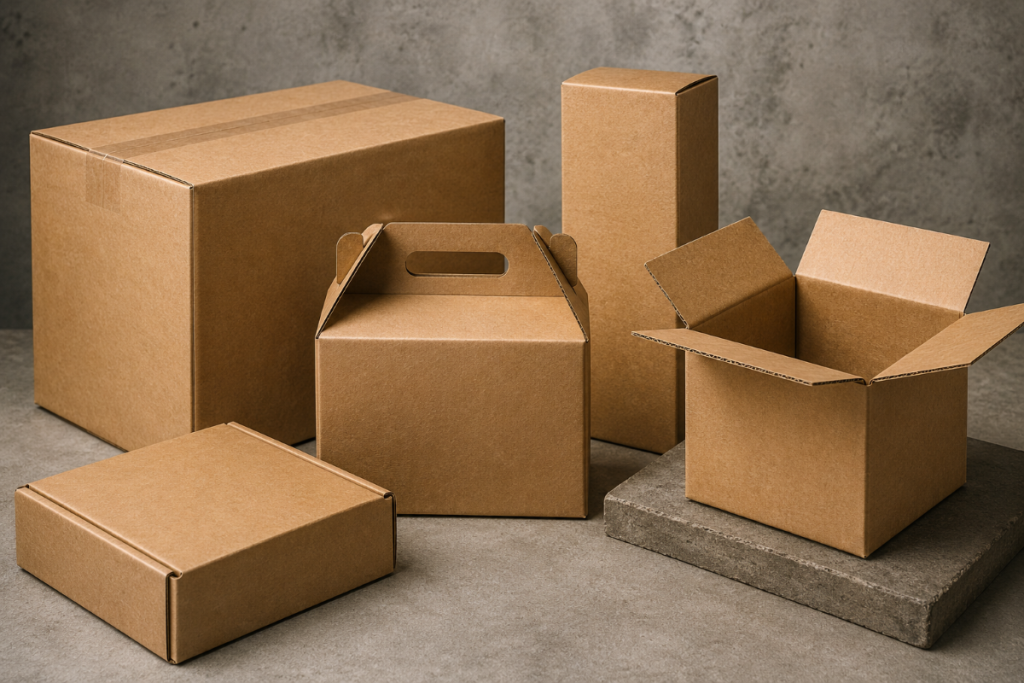
Coated Unbleached Kraft board, also called CUK or SUS in many packaging discussions, is known for strength. It usually has a natural brown back and a printable coated surface. This makes it useful when packaging needs to handle more weight or rougher movement.
This board is used for beverage carriers, frozen food packaging, detergent cartons, hardware items, heavy retail products, and industrial consumer goods. It is a good choice when the package needs durability along with decent print appeal.
For example, a beverage company may use CUK for bottle carriers because the board must hold weight and resist tearing. A detergent brand may choose it because the carton needs to handle heavier contents and warehouse stacking.
CUK is not usually selected for ultra-luxury white packaging. It is selected when strength, durability, and function are more important.
4. Coated Recycled Board for Cost-Effective Packaging
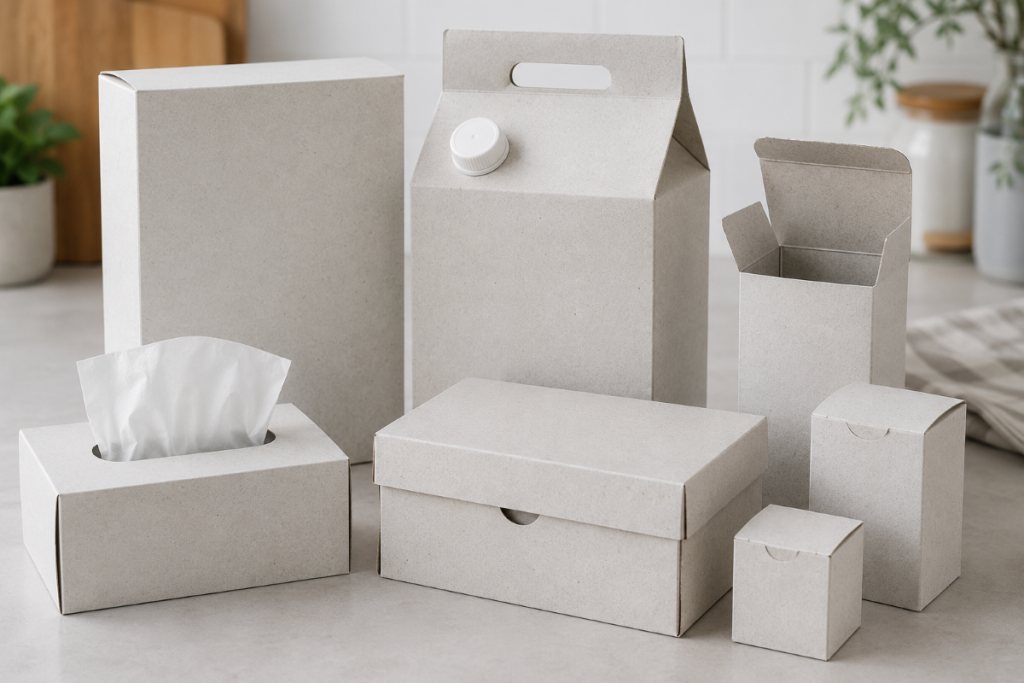
Coated Recycled Board is commonly used when brands want economical packaging with recycled content. It is made using recovered fibers and usually has a coated top surface for printing.
This board is used in cereal boxes, tissue boxes, dry food cartons, shoe boxes, toy boxes, detergent cartons, stationery packaging, and general retail boxes. It works well for products that do not need direct wet or oily food contact.
For example, a shoe brand may use coated recycled board for inner packaging because the box needs structure and printability, but not premium food-grade performance. A tissue brand may choose it because it is affordable, printable, and suitable for high-volume packaging.
This type of paper packaging board is useful for brands that want a balance between cost, print finish, and general packaging performance.
5. White Lined Chipboard for Everyday Consumer Packaging
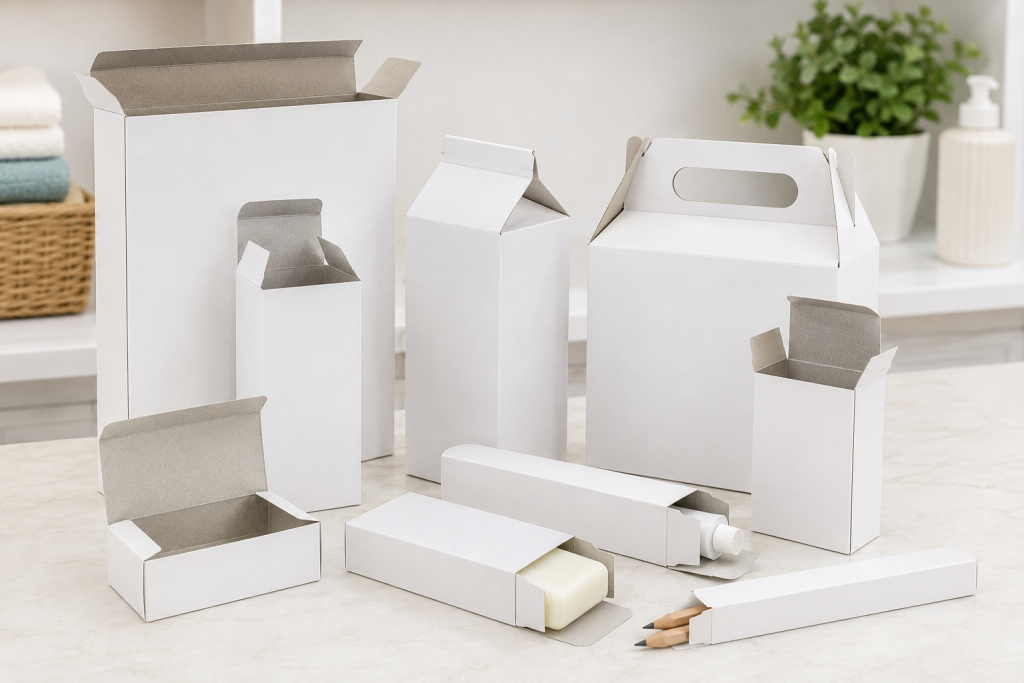
White Lined Chipboard, commonly known as WLC, is another practical option for mass-market packaging. It usually has a white or coated top layer and recycled fiber layers inside. It is widely used where affordability is important.
WLC is commonly used for toothpaste cartons, soap boxes, dry food packaging, garment boxes, toy packaging, stationery products, and household product cartons. It gives a decent print surface and is suitable for many everyday products.
For example, a soap manufacturer may choose WLC for retail cartons because the packaging needs to look presentable but must also remain economical for large-scale production. A stationery brand may use it for pencil, crayon, or notebook packaging.
WLC is a good choice for dry, lightweight, and medium-value products where premium whiteness is not the main requirement.
6. Corrugated Board for Shipping and Product Protection
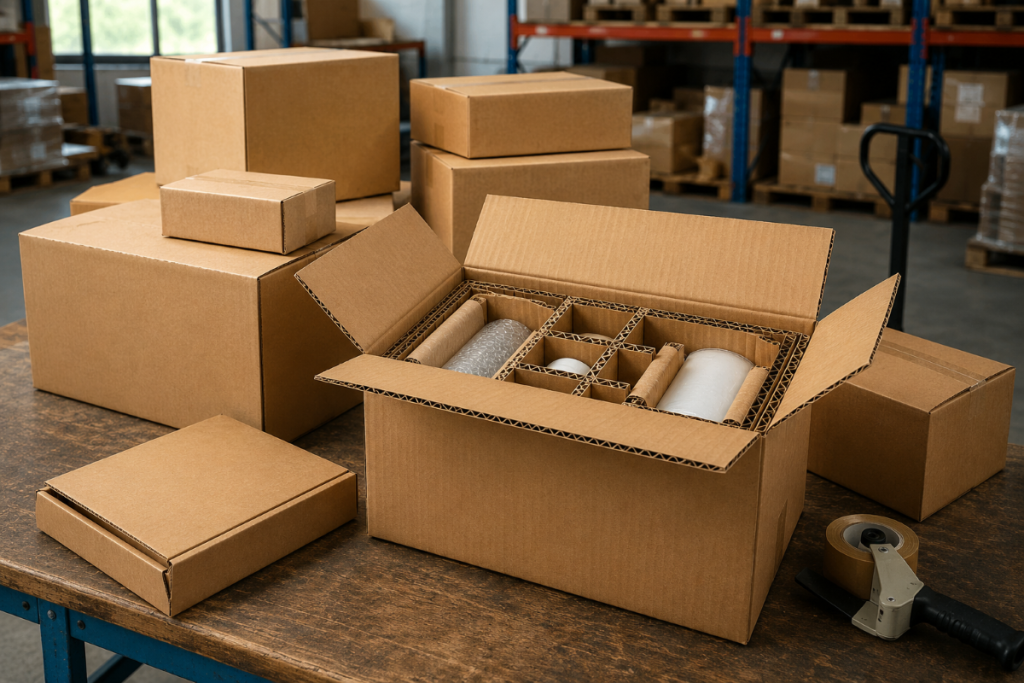
Corrugated board is used when protection matters more than shelf beauty. It has a fluted middle layer between liner sheets, which gives cushioning, stacking strength, and shock resistance.
This board is used for shipping cartons, e-commerce boxes, electronics packaging, fruit and vegetable boxes, appliance cartons, automotive parts, furniture packaging, and industrial goods. It is one of the most important board types for transport and logistics.
For example, an online seller shipping glassware cannot rely only on a folding carton. The product needs corrugated packaging because it must survive movement, stacking, courier handling, and delivery pressure. Similarly, electronics brands use corrugated boxes to protect products during long-distance transport.
Corrugated board is best for outer packaging, bulk movement, export packaging, and fragile product protection.
7. Liquid Packaging Board for Beverages and Dairy Products
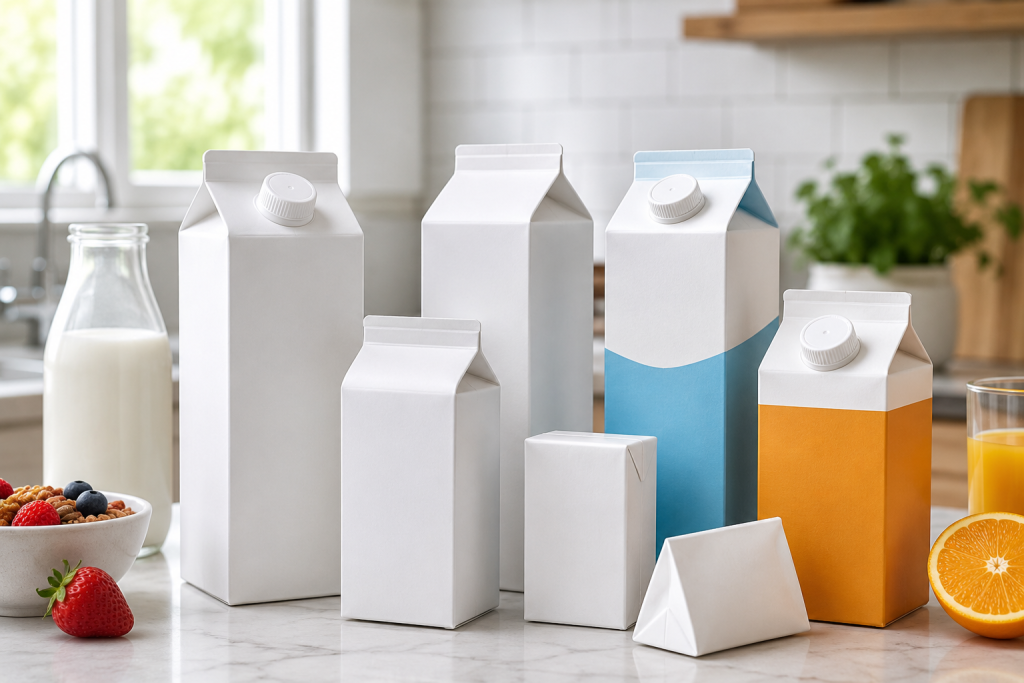
Liquid Packaging Board is designed for products that contain liquids or semi-liquids. It is used in milk cartons, juice cartons, dairy products, soups, and beverage packaging.
This type of board is selected when the packaging must hold liquid safely, protect freshness, and support filling-line performance. In many cases, it is combined with barrier layers to prevent leakage and maintain product quality.
For example, a juice brand needs packaging that can protect flavor, prevent leakage, and support shelf life. A normal folding carton board cannot do this job. Liquid packaging board is designed for that specific purpose.
It is best for dairy, beverages, liquid foods, and shelf-stable food packaging formats.
8. Barrier-Coated Board for Food, Oil, and Moisture Protection
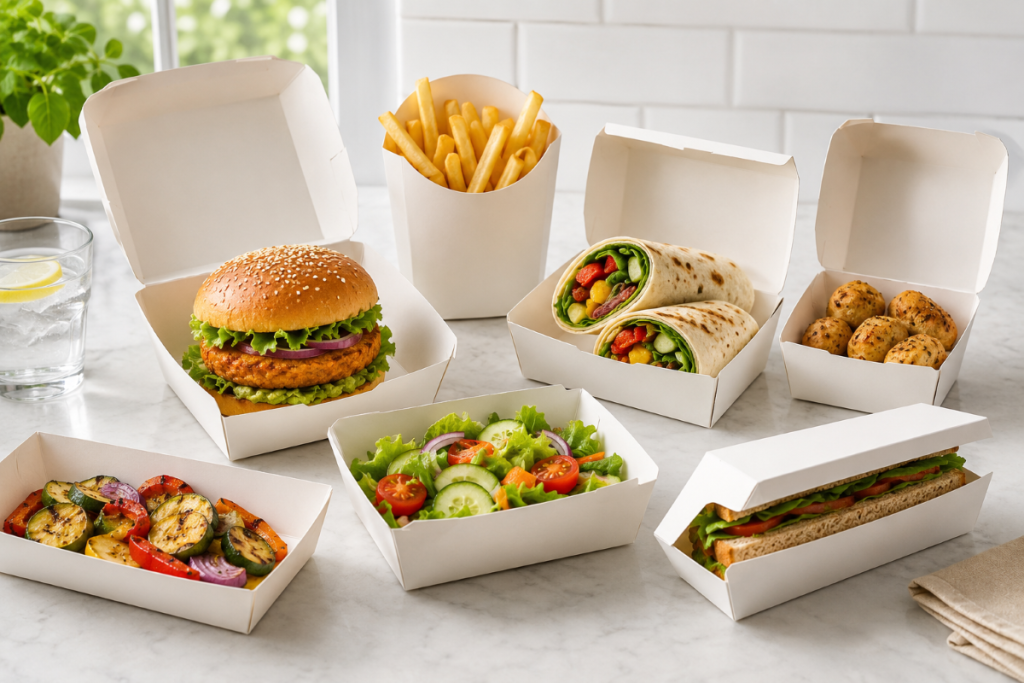
Some products need extra resistance against oil, grease, moisture, or vapor. This is where barrier-coated board becomes useful.
It is used for fast food boxes, burger clamshells, bakery cartons, frozen food trays, takeaway containers, paper cups, plates, snack boxes, and oily food packaging. The purpose is simple: the board should not become weak, stained, soggy, or unsafe during use.
For example, a burger box needs to handle heat, oil, and moisture. A frozen food tray must resist cold storage and moisture exposure. A bakery box may need to protect cakes or pastries without absorbing too much grease.
Barrier-coated board is a practical solution for food businesses that need cleaner, stronger, and more reliable packaging.
9. Rigid Board for Luxury Boxes and Premium Gift Packaging
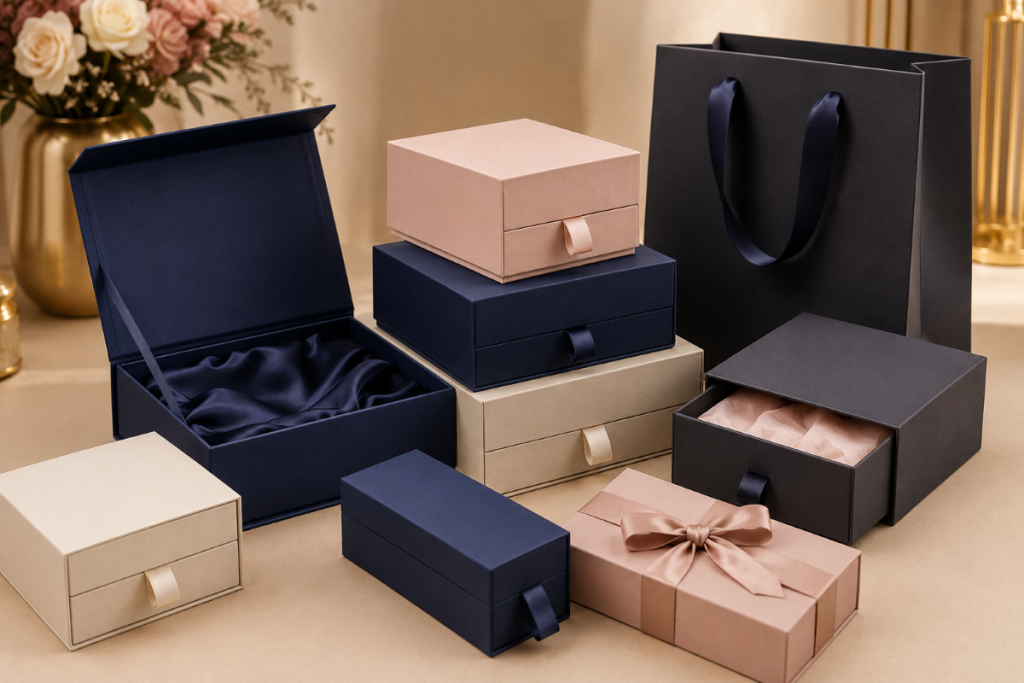
Rigid board is much thicker and stronger than regular folding carton board. It is commonly used for premium boxes that do not collapse flat. These boxes feel heavy, durable, and high-value.
Rigid board is used for perfume boxes, jewelry packaging, mobile phone boxes, premium gift boxes, watch packaging, luxury sweets, and high-end corporate gifting. It is often wrapped with printed paper, textured paper, specialty paper, or laminated sheets.
For example, a luxury watch brand may use a rigid box because the packaging is part of the product experience. The customer does not just open a box; they experience the brand’s value through the packaging.
Rigid board is best for premium products where presentation and unboxing experience matter.
Matching the Board with the Industry
Each industry has its own packaging problem. Food brands worry about safety, freshness, grease, and shelf appeal. Pharma brands need clean printing, accurate information, and reliable folding. Cosmetic brands need premium looks. E-commerce brands need protection. Industrial brands need strength and transport durability.
For food packaging, SBS, FBB, liquid board, and barrier-coated board are common choices depending on the product. For cosmetics, SBS, FBB, and rigid board work well. For dry retail goods, WLC and coated recycled board are often practical. For heavy-duty transport, corrugated board is the better option. For luxury packaging, SBS and rigid board usually perform better.
This is why one board cannot fit every product. Good paperboard packaging solutions are selected by matching the board to the product’s weight, moisture exposure, print requirement, shelf life, transport route, and customer handling.
How Businesses Should Choose the Right Paper Packaging Board
Before selecting any paper packaging board, businesses should look beyond price and thickness. The right choice depends on how the product will be packed, stored, displayed, shipped, and used by the customer. A product sold on a retail shelf may need attractive printing and a smooth finish, while a product shipped through courier may need stronger protection and better stacking strength. Similarly, oily, frozen, liquid, fragile, heavy, or premium products all need different board performance.
A cosmetics carton, frozen food tray, soap box, cereal pack, perfume gift box, and shipping carton cannot use the same type of board. Each product has a different packaging purpose. SBS is suitable for premium printed packaging, FBB works well for lightweight retail cartons, CUK supports stronger packaging needs, and recycled board or WLC is useful for cost-effective dry product packaging. Corrugated board protects goods during transport, while liquid and barrier-coated boards are better for food, beverages, oil, and moisture-sensitive products. Rigid board is ideal when luxury presentation and unboxing experience matter.
The best packaging is not always the thickest or most expensive. It is the one that matches the product’s weight, storage condition, printing need, transport route, and customer expectation. When businesses choose the right paperboard packaging solutions, they can improve product safety, reduce packaging failure, support branding, and create a better customer experience. In the end, good packaging is not just a covering for the product; it becomes an important part of the product’s success.
Frequently Asked Questions
It depends on the food type. Dry foods can use folding board, while oily, frozen, or moisture-sensitive foods need barrier-coated paperboard packaging solutions for better protection.
Cosmetic packaging needs a smooth, clean, and premium-looking board. It should support sharp printing, fine text, foil stamping, embossing, and attractive shelf presentation.
Cracking usually happens due to wrong board selection, poor scoring, heavy ink coverage, sharp creases, or incorrect grain direction. Folding tests should be done before bulk production.
No. A thicker board can increase cost and cause folding problems. The right paper packaging board should match the product’s weight, size, and handling needs.